
Someone Has to Be Able to Tell the CEO No
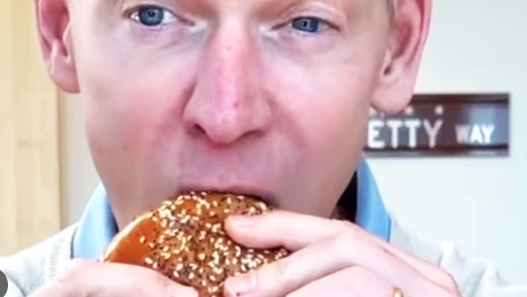
There’s a viral clip circulating of McDonald’s CEO Chris Kempczinski eating the new Big Arch burger. He takes a tiny bite, barely reacts, refers to it as a “product,” and the internet does what the internet always does. Mock videos. Side-by-side reactions. Commentary about how it looked like he’d rather be eating literally anything else.
But when I watched it, I didn’t see a burger problem. I saw a room problem.
I’ve been in those rooms before. The CEO is sharp, accomplished, built something impressive. They understand the business inside and out. Then the camera turns on and everything tightens up. They overthink. They become hyper aware of every word. They try to perform instead of just talk. What shows up on camera isn’t confidence. It’s tension.
The real question isn’t whether he likes the burger. The real question is whether anyone in that room felt safe enough to say, “That didn’t feel natural. Let’s try it again.”
Here’s the uncomfortable truth: not everyone is naturally good on camera. That’s not a flaw. It’s a skill. But when no one pushes back because “he’s the CEO,” you end up publishing something that feels forced. And marketing lives or dies on feel.
I’ve had to coach founders through this. I’ve stopped takes. I’ve suggested scrapping entire segments. I’ve also worked with leaders who could laugh, loosen up, and try again. Guess which ones connect better.
The strongest leaders I’ve worked with didn’t need protection. They allowed friction in the room. They cared more about the message landing than about being the face of it. Sometimes leadership isn’t about stepping in front of the camera. Sometimes it’s about being secure enough to let someone else carry the story, or willing enough to do a second take.
If no one can tell the CEO no, the brand eventually pays for it. Not because of a sandwich. Because of culture.